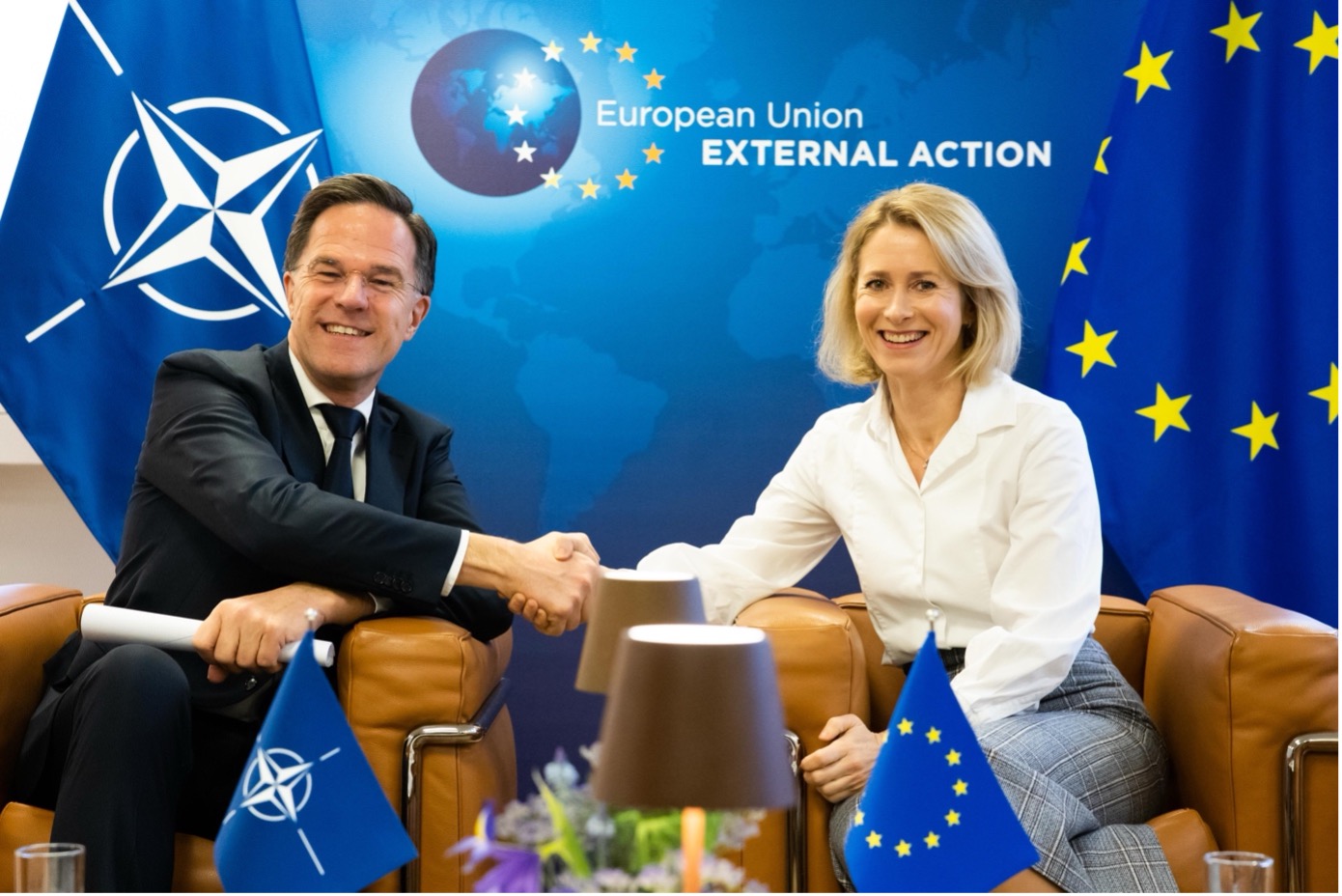
As Switzerland has started its term as an elected member in the United Nations Security Council (UNSC) in January 2023, this discussion paper explores the ways in which it can advance the Women, Peace, and Security (WPS) Agenda during its term. WPS came about from the UNSC Resolution 1325 and has been one of the priorities of Switzerland’s foreign policy in recent years. This discussion paper formulates the five key recommendations built upon the case studies of three neutral and like-minded countries – Austria, Ireland, Sweden –, and a questionnaire from experts in the WPS field.
TéLéCHARGER LE DOCUMENT
Partager
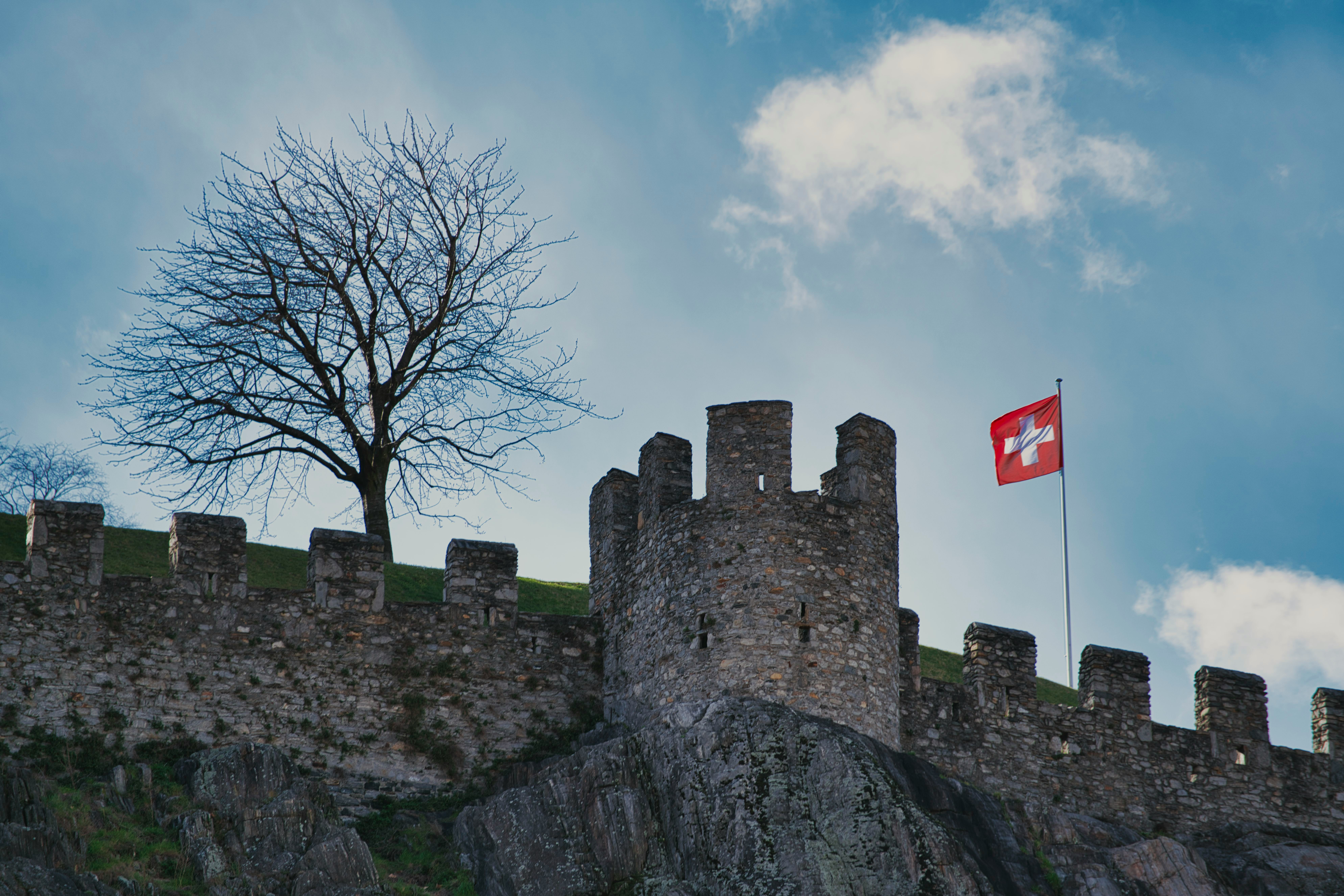
Die Probleme in der Rüstungsbeschaffung bestehen nicht erst seit der Gripen-Abstimmung im 2014 und der Bodluv-Kaufsistierung im 2016. Die Gründe dafür sind in verschiedenen Untersuchungsberichten seitens Bund in den letzten Jahren untersucht worden. Trotzdem kann bisher noch keine grössere Verbesserung festgestellt werden. Die Beschaffungssituation ist prekär aufgrund der notwendigen Grossbeschaffungen für die nächsten 20 Jahren. Viele grössere Systeme sind bald am Ende ihrer Nutzungsdauer angelangt und nach den letzten Misserfolgen bei der Beschaffung von Gripen und Bodluv zeichnet sich ein Ressourcenengpass ab. Das vorliegende Diskussionspapier schlägt Anpassungen im Prozess vor, welche das Parlament früher und stärker in die Rüstungsplanung und -beschaffung involviert. Denn heute hat das Parlament zwar wenig Einflussmöglichkeit bei der Rüstungsplanung, aber es hat die Macht, die Beschaffung am Ende der Beschaffungsphase zu blockieren. Die Rüstungsplanung wird aktuell durch die Armeeplanung erarbeitet. Durch einen früheren Einbezug des Parlaments können das Verständnis des Beschaffungsvorhabens verbessert und frühzeitig mehrheitsunfähige Vorhaben (im Volk und Parlament) erkannt und diskutiert werden. Maxime soll nicht die Beschleunigung per se sein, sondern Effizienz mit grösstmöglicher Transparenz und sinnvollem Einbezug der Legislative. Ausserdem soll der Fokus verstärkt auf internationaler Kooperation liegen durch Massnahmen, welche die Attraktivität der Schweiz als Kooperationspartner erhöhen und die Ermittlung von Kooperationspartnern stärker institutionalisieren. Dies soll immer in Einklang mit der Neutralitätspolitik geschehen. Die internationale Kooperation und die systematische Prüfung aussenpolitischer Implikationen gewinnen aufgrund des Ressourcendrucks und der zu erwartenden Grossbeschaffungen im Ausland an Bedeutung.
TéLéCHARGER LE DOCUMENT
Partager
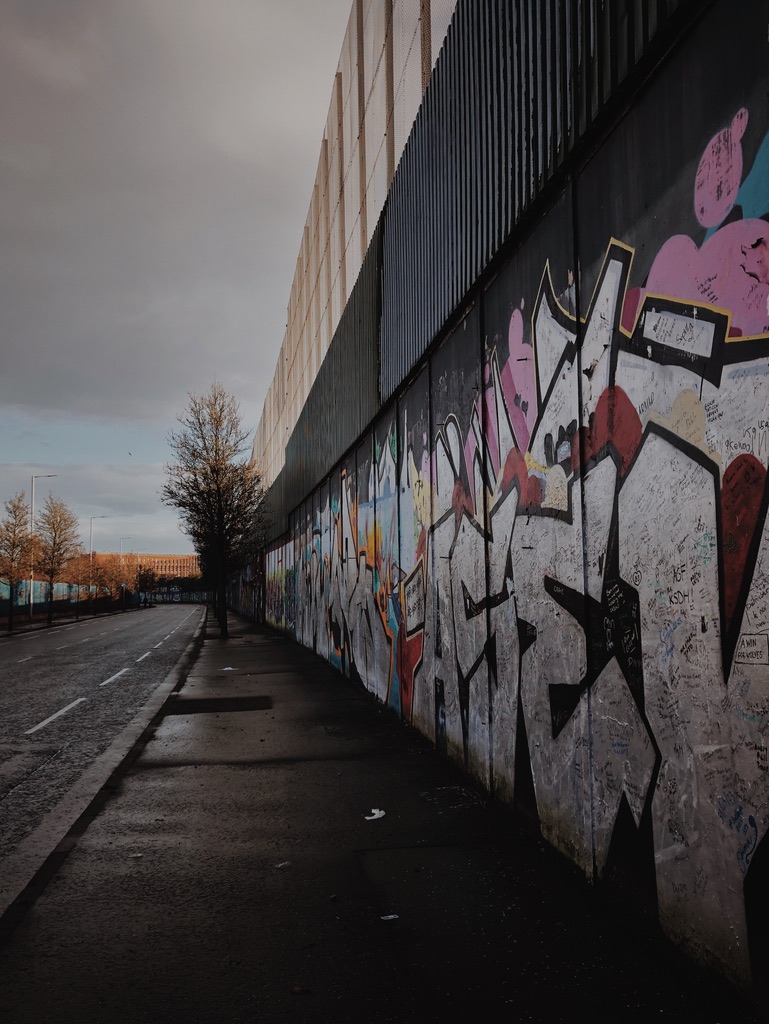
The Organization for Security and Co-operation in Europe (OSCE) is the most comprehensive regional security organization. With its 57 participating states it comprises the whole of Europe as well as the Eurasian and Euro-Atlantic region. Inscribed in its DNA is the idea of providing a platform for dialogue between East and West. The OSCE, which can look back at over 40 years of existence, survived all major geopolitical events in recent history, including the end of the Cold War. In the 21st century, however, the relevance of the OSCE has sharply declined. Since the late 1990s, it was increasingly debated whether the OSCE had indeed become irrelevant and whether it could again become an important player in Europe’s security architecture, bridging gaps and resolving conflicts between East and West. The year 2014 saw a reversal of this trend and suddenly put the OSCE in the international spotlight. The crisis in Ukraine, which began with a massive popular upheaval against the acting government and, following the overthrow of President Victor Yanukovych, evolved into a military confrontation with separatist militias in the East of the country, provoked a quick reaction from the OSCE which became the main actor to mediate between the conflict parties. Furthermore, the current chairmanship country, Switzerland, proved to be highly dedicated to the OSCE’s mission and invested a lot of effort in mediating between the conflict parties. The ongoing crisis in Ukraine not only revealed the OSCE’s lasting importance, but it also demonstrated the stark divide which still exists between the Western and Eastern participating states. Since the start of the crisis and especially following Russia’s annexation of Crimea, relations between Russia and the West reached a new low. Mutual accusations and bellicose rhetoric provide for a very unstable and uncooperative environment. In 2014, the gap between a resurgent Russia and the West became even deeper over the Ukraine Crisis. Nevertheless, despite a tense working mood and heated debates, the OSCE has managed to remain an important actor and its most important actions in Ukraine were approved by consensus from all 57 participating states. Thus, it seems that the opposing parties do not want to seriously compromise the organization’s ability to do its work. This is an indication that in times of crisis the OSCE remains an important and useful platform for dialogue between the East and West.


TéLéCHARGER LE DOCUMENT
Partager
TéLéCHARGER LE DOCUMENT
Partager
TéLéCHARGER LE DOCUMENT
Partager
TéLéCHARGER LE DOCUMENT
Partager